Odoo 20’s ‘Agentic AI’: What SMEs Should Actually Watch For (Not the Hype)
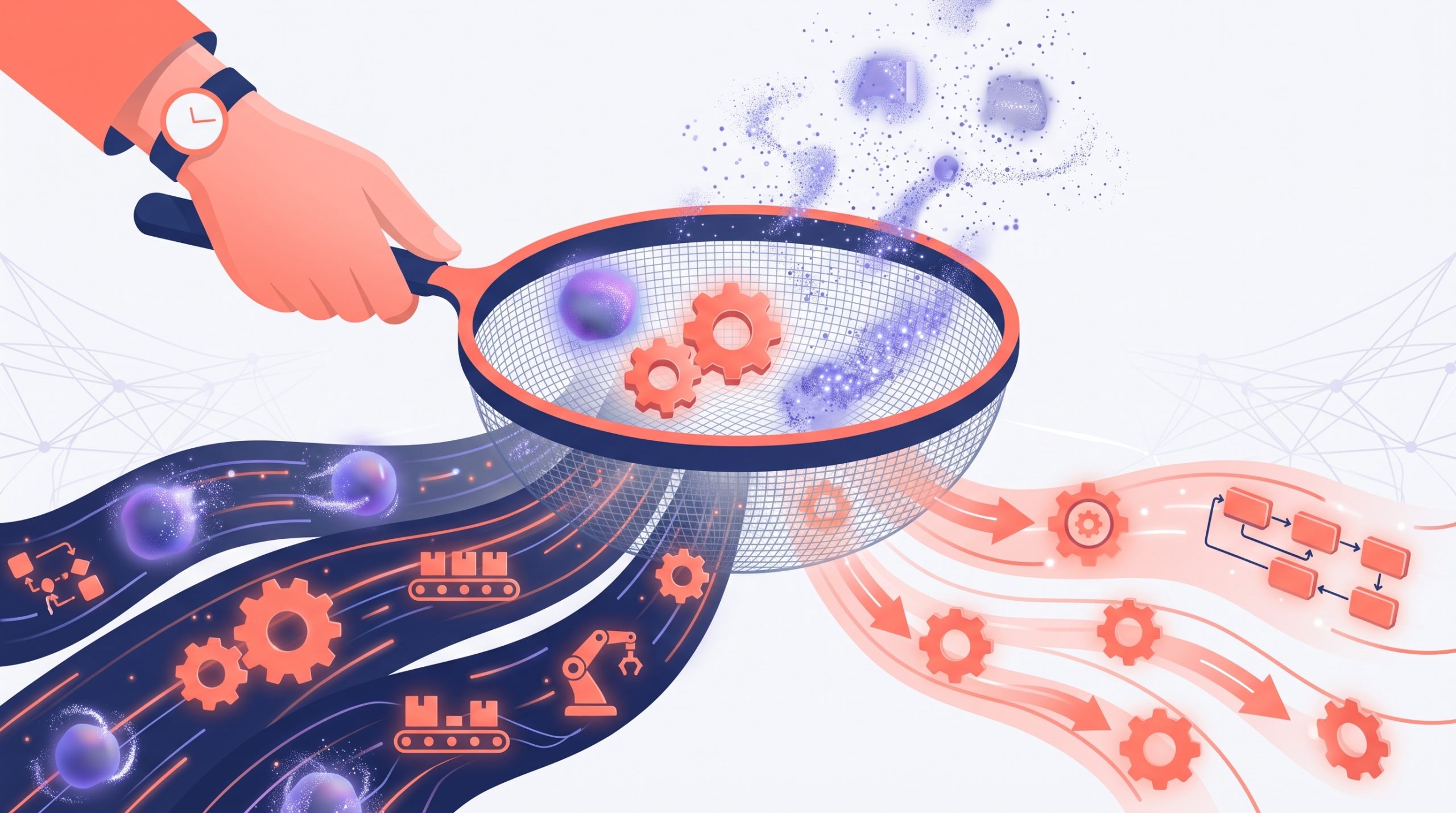
Odoo 20 launches at Odoo Experience 2026 in Brussels on 24-26 September, and the headline feature is "agentic AI": a shift from rule-based automation toward workflows that Odoo says can predict, decide, and act with less manual setup. If you run an SME on Odoo, or you’re evaluating an ERP, here’s the short version: the underlying automation improvements are worth watching, but treat the "agentic" label itself with a healthy dose of skepticism until you can see it running on your own data.
What Is Odoo 20’s "Agentic AI," Exactly?
Based on Odoo’s own event materials and partner previews, Odoo 20 is expected to move away from purely trigger-based automation (if X happens, do Y) toward automation that learns from patterns in your data and proactively suggests or takes action. Odoo is also promising a more scalable underlying architecture, so performance holds up as a business grows, along with updates to regional localisations. The official feature list won’t be confirmed until the keynote, so anything published before then, including this post, is a preview, not a specification.
How This Compares to What Odoo 19 Already Shipped
It helps to know this isn’t Odoo’s first AI release. Version 19 already introduced AI agents that can answer questions from your own data, natural-language database search, AI-assisted form fields, AI-powered server actions, and document-based knowledge sources. A later 19.4 update added automatic AI model selection, the ability to connect Odoo databases through MCP (the same protocol tools like Claude use), agent skills, and voice interaction. So Odoo 20’s "agentic AI" isn’t appearing from nowhere. It’s described as the next step: agents that don’t just suggest an action but can carry it out within limits you define, and chain several steps together instead of handling one task at a time. Knowing the trajectory makes it easier to judge whether the September keynote delivers something genuinely new or mostly repackages what partners have already been testing in the 19.x line.
Why We’re Skeptical of the "Agentic" Label
"Agentic AI" has become one of the most overused phrases in enterprise software marketing in 2026. Plenty of vendors slap the word on what is really a slightly smarter automation rule, or a chatbot bolted onto an existing form. Our view at Mxgsoft is simple: we care about what the automation actually does for a business’s bottom line, not what it’s branded as. A feature that quietly saves your warehouse team two hours a week on reordering is worth more than a flashy "AI agent" demo that never gets used after go-live.
So before you get excited about Odoo 20’s agentic features, ask the same three questions you’d ask of any automation claim: What decision is it actually making? What happens when it gets that decision wrong? And can a non-technical staff member understand and override it?
A Realistic Example: Reordering Stock
Take a common SME workflow: reordering inventory. Under rule-based automation, you set a fixed reorder point, for example "when stock hits 20 units, raise a purchase order for 100." That works until demand shifts with the season, a supplier’s lead time changes, or a product line gets discontinued, at which point someone has to remember to go back and adjust every rule by hand. An agentic version of this feature, if it works as described, would look at actual sales velocity, current lead times, and seasonal patterns, and adjust the reorder quantity and timing on its own. That’s genuinely useful if it’s accurate. It’s also exactly the kind of feature that needs a real pilot on your own purchase history before you trust it with your cash flow, because a wrong reorder recommendation costs real money in overstock or stockouts, not just a mildly annoying chatbot answer.
What Actually Matters for an SME Evaluating Odoo 20
- Does it reduce manual data entry you’re doing today? Look for concrete examples, like auto-matching invoices to purchase orders or suggesting reorder quantities from real sales velocity, not abstract "AI-powered insights."
- Is it explainable? If the system recommends an action, can you see why? Automation your team can’t audit is automation your team won’t trust.
- Does it work with your existing data quality? Agentic features are only as good as the data feeding them. If your product catalogue, customer records, or chart of accounts are messy, no amount of AI branding fixes that first.
- What’s the actual scalability improvement? Odoo has flagged performance and architecture work alongside the AI features. For a growing SME, that’s arguably the more durable win, AI headline or not.
- Is the feature tier-gated? Historically the most advanced AI capability has launched on Odoo Enterprise first. Confirm which tier a feature actually ships on before you plan around it.
Should You Upgrade Now or Wait?
General availability typically follows two to four weeks after the September keynote, with the first stable, production-ready patch usually landing in October or November. Our standing advice for SME clients: don’t rush a major version upgrade around the initial release. Let the first patch round settle, watch how the agentic features perform for early adopters, and evaluate against your own workflows, not the keynote demo. If you’re implementing Odoo for the first time, this is a reasonable moment to decide whether to start on the current stable version or wait a few weeks for 20 to mature, depending on your project timeline.
Check Your Data Quality Before You Trust Any AI Feature
One point worth repeating on its own: if your database has years of inconsistent product codes, duplicate customer records, or an unstructured chart of accounts, Odoo 20’s agentic features will mainly expose those problems rather than fix them. That’s not necessarily bad news. Treating the release as a trigger to clean up core data, before turning on anything agentic, tends to deliver more value on its own than the AI feature would if it were switched on against a messy database.
How to Tell Real Automation From AI-Washing
A quick checklist we use internally when evaluating any new "AI" feature, Odoo or otherwise:
- It solves a specific, named task, not a vague category of problem.
- You can turn it off and the system still works.
- It has a visible confidence level or reasoning trail, not just an answer.
- Someone on your team has actually tested it on your real data before you rely on it.
Frequently Asked Questions
When does Odoo 20 officially launch?
Odoo 20 is unveiled at Odoo Experience 2026 in Brussels, running 24-26 September 2026, with general availability typically following two to four weeks after the event.
Is Odoo 20’s agentic AI available on Odoo Community, or Enterprise only?
Odoo has not confirmed the final feature-tier split as of this preview. Historically, the most advanced AI and automation features have launched on Enterprise first, with some capability trickling down to Community over time.
Should my business wait for Odoo 20 before implementing Odoo?
It depends on your timeline. If you’re mid-project on an earlier version, there’s rarely a reason to pause and wait. If you haven’t started yet and have flexibility of a few weeks, it’s reasonable to see how the initial patch round lands before committing.
What’s the biggest risk with agentic AI features in an ERP?
The biggest practical risk is trusting an automated decision your team can’t explain or override, especially around financial or inventory actions. Treat any new agentic feature as something to pilot on a low-stakes process first.
Does Odoo 20 require clean data to get value from its AI features?
Yes. Agentic features are only as accurate as the data they read. A business with a well-maintained catalogue and clean customer records will get real value quickly; a business with years of inconsistent records will mostly see those problems surfaced rather than solved.
More Articles

The Resource Master Audit: Why ERP Rollouts Fail at the Data Layer, Not the Software Layer
Most ERP go-lives don’t fail on features. They fail on messy master data. Here’s the Resource Master Audit that prevents it.
Read Article
The Compounding Moat: How Operational Discipline Becomes a Brand Competitors Can’t Copy
Taglines get copied overnight. Clean operational data doesn’t. How operational discipline becomes an unassailable competitive moat for SMEs. ...
Read Article
Engine and Brakes: What the Global AI Safety Debate Means for Your Business
A recurring metaphor in the global AI safety conversation, a powerful engine paired with good brakes, turns out to describe SME AI adoption just as we...
Read Article