Vibe Coding Is Coming for Hardware – And It Will Reshape How Businesses Build Their Systems
What “Vibe Coding Hardware” Means for Business Leaders
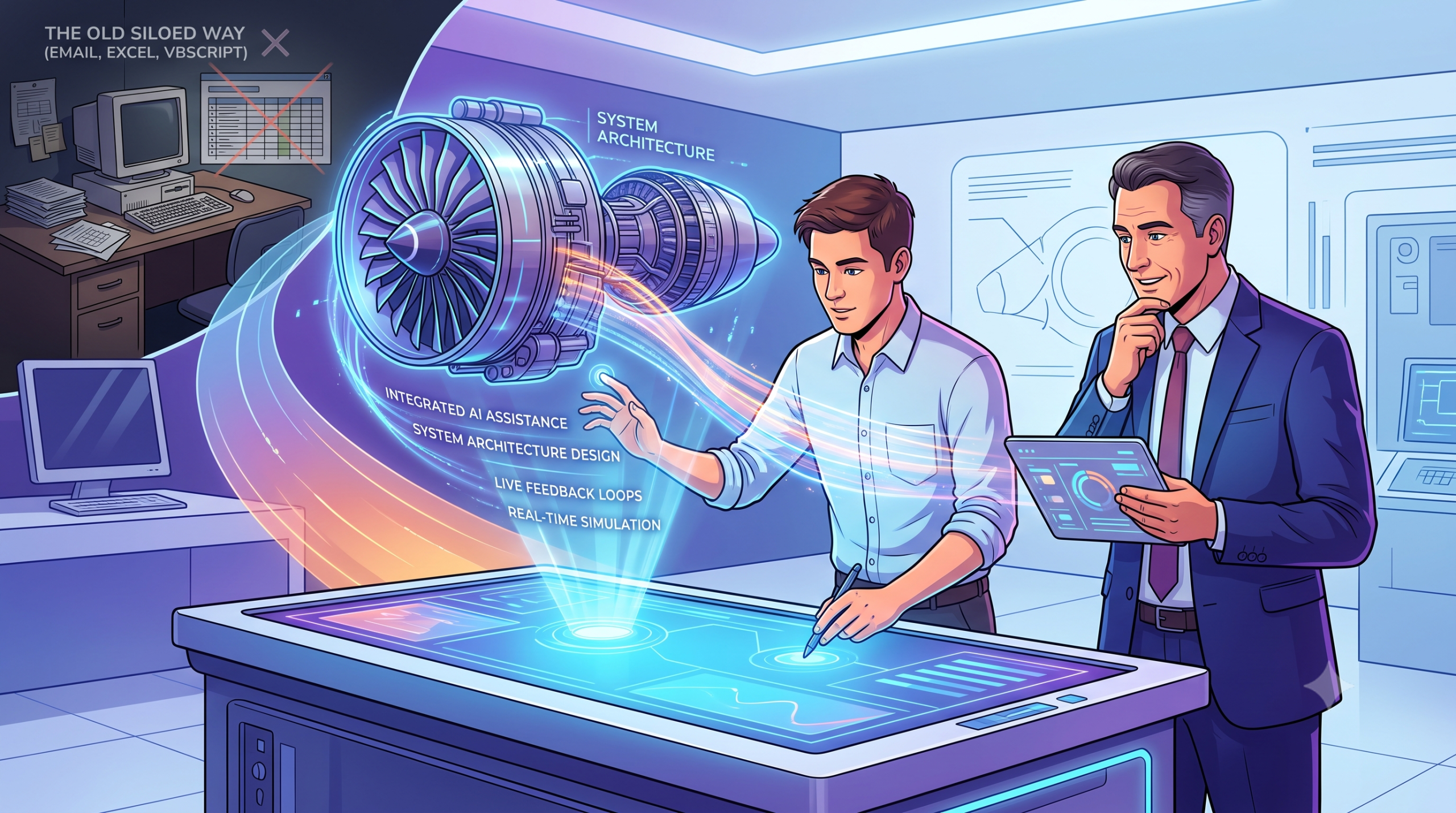
What we observe on the next frontier of AI acceleration: vibe coding hardware. The idea is striking. Software engineers are now designing system architectures while AI handles the specialised implementation work with real-time feedback loops that used to require entire teams working in silos.
The example is visceral: at Boom Supersonic, designing turbine blades for a jet engine used to take one engineer a full day per analysis cycle. Now, two engineers can design entire jet engines, combining software architecture with live aerodynamic and structural feedback in a fraction of the time. The handoffs that used to happen over email, in siloed Excel spreadsheets with VBScript and no version control, are being replaced by integrated AI-assisted workflows.
This isn’t a Silicon Valley curiosity. It’s a signal about where every industry is heading, including business systems, ERP implementation, and the way Singapore SMEs configure and run their operations.
The Old Model Is the Same Everywhere You Look
Look at traditional hardware engineering and you’ll recognise the pattern immediately: siloed teams, manual handoffs via email, spreadsheets that nobody except their creator can maintain, and no automated testing or source control. Work that was done sequentially when it could have been done in parallel.
Sound familiar? It’s exactly how most Singapore businesses run their back-office operations today. Finance, operations, sales, and HR each have their own tools, their own spreadsheets, their own handoff points and the integration between them is a person sending an email.
The inefficiency isn’t laziness. It’s structural. The tools weren’t good enough to do it differently. Until now.
Vibe Coding the Business: What This Looks Like in Practice
The insight about hardware vibe coding translates directly to business system implementation. The traditional model: a business analyst spends weeks documenting requirements, hands them to a developer, who builds custom code, which then needs months of testing before go-live. The whole process takes 12–18 months and costs a fortune.
The emerging model: business owners describe what they need in plain language. AI-assisted configuration tools interpret those requirements, suggest workflows, generate integrations, and test edge cases in real time. The business owner’s role shifts from passive recipient of a long implementation to active co-designer of a working system in weeks, not months.
We’re seeing this at Mxgsoft already. Implementations that used to take six months now take six to ten weeks. Not because we cut corners, because the tools have fundamentally changed how fast an experienced team can configure and validate a complex system.
China’s Open-Source Play and What It Means for Singapore
China’s strategic investment in open-source AI models as a response to hardware supply chain constraints. The goal: democratise software generation across manufacturing ecosystems, particularly for smaller hardware companies.
Singapore sits at the intersection of this dynamic. As a trade and technology hub with deep connections to both Western enterprise software vendors and Asian manufacturing ecosystems, Singapore businesses are uniquely positioned to benefit from open-source AI tooling if they have the systems infrastructure to plug into it.
Businesses still running on disconnected spreadsheets and legacy software can’t take advantage of AI-powered demand forecasting, automated supplier communication, or intelligent pricing tools. The prerequisite for AI adoption is having clean, connected data which requires having a proper ERP or business platform in place first.
The Human Role Doesn’t Disappear – It Elevates
A not so obvious point that deserves emphasis: junior professionals don’t disappear in this new model. They transition toward senior verification roles, becoming trusted evaluators who confirm AI-generated outputs rather than creators working from scratch.
For Singapore SME owners, this reframes the business case for AI and automation. The question isn’t “will this replace my staff?” It’s “will this let my existing staff do work that’s five levels above what they’re doing today?” A finance executive who used to spend three days closing the books can now spend three hours verifying a system-generated close and spend the other two days on analysis and strategy.
The companies that will win in the next five years aren’t the ones that hired the most people. They’re the ones that gave their people the right tools and then elevated what those people could do.
What Singapore SMEs Should Do Now
The hardware vibe coding revolution as described is already happening in software, in professional services, and in business operations. The pace will accelerate. Businesses that have their data connected and their systems integrated will be able to adopt AI-powered tools as they emerge. Businesses still running on spreadsheets will be trying to implement the basics while their competitors are already operating at the next level.
The practical steps are not complicated:
- Connect your business data – inventory, sales, finance, HR – in one system
- Eliminate the manual handoffs that create errors and delays
- Get your team comfortable with systems-driven workflows before AI capabilities are layered on top
- Choose platforms with active AI development roadmaps, tools that will grow with the technology shift, not ones you’ll have to replace in three years
What we notice about intelligence is direct: users always want more of it, and when AI models make a mistake, you often don’t know it. The implication for business system buyers is clear, you need visibility and control in your underlying systems before you can trust and verify what AI tools generate on top of them.
The Bottom Line
Vibe coding hardware is a signal, not just a story about jet engines and aerospace engineers. It’s a preview of how every complex, multi-disciplinary workflow including business operations will be transformed as AI moves from language to engineering to decision-making.
Singapore SMEs that get their business systems in order now aren’t just solving today’s operational problems. They’re building the foundation for the next five years of competitive advantage.
If you want to understand what that foundation looks like for your business, talk to us. We’ve been building it for Singapore companies over 22 years and the tools available today make it faster and more affordable than it’s ever been.
More Articles
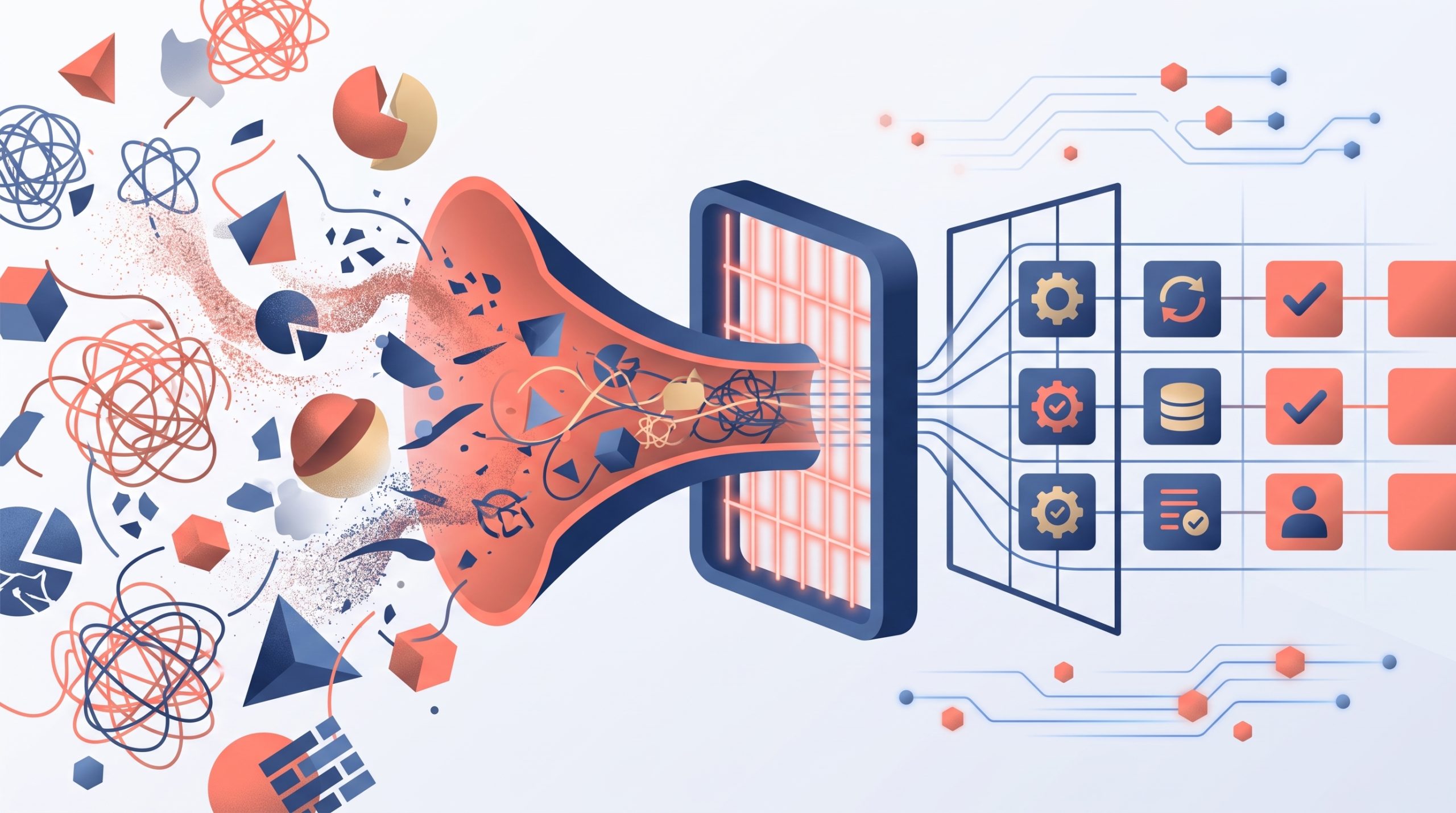
The Resource Master Audit: Why ERP Rollouts Fail at the Data Layer, Not the Software Layer
Most ERP go-lives don’t fail on features. They fail on messy master data. Here’s the Resource Master Audit that prevents it.
Read Article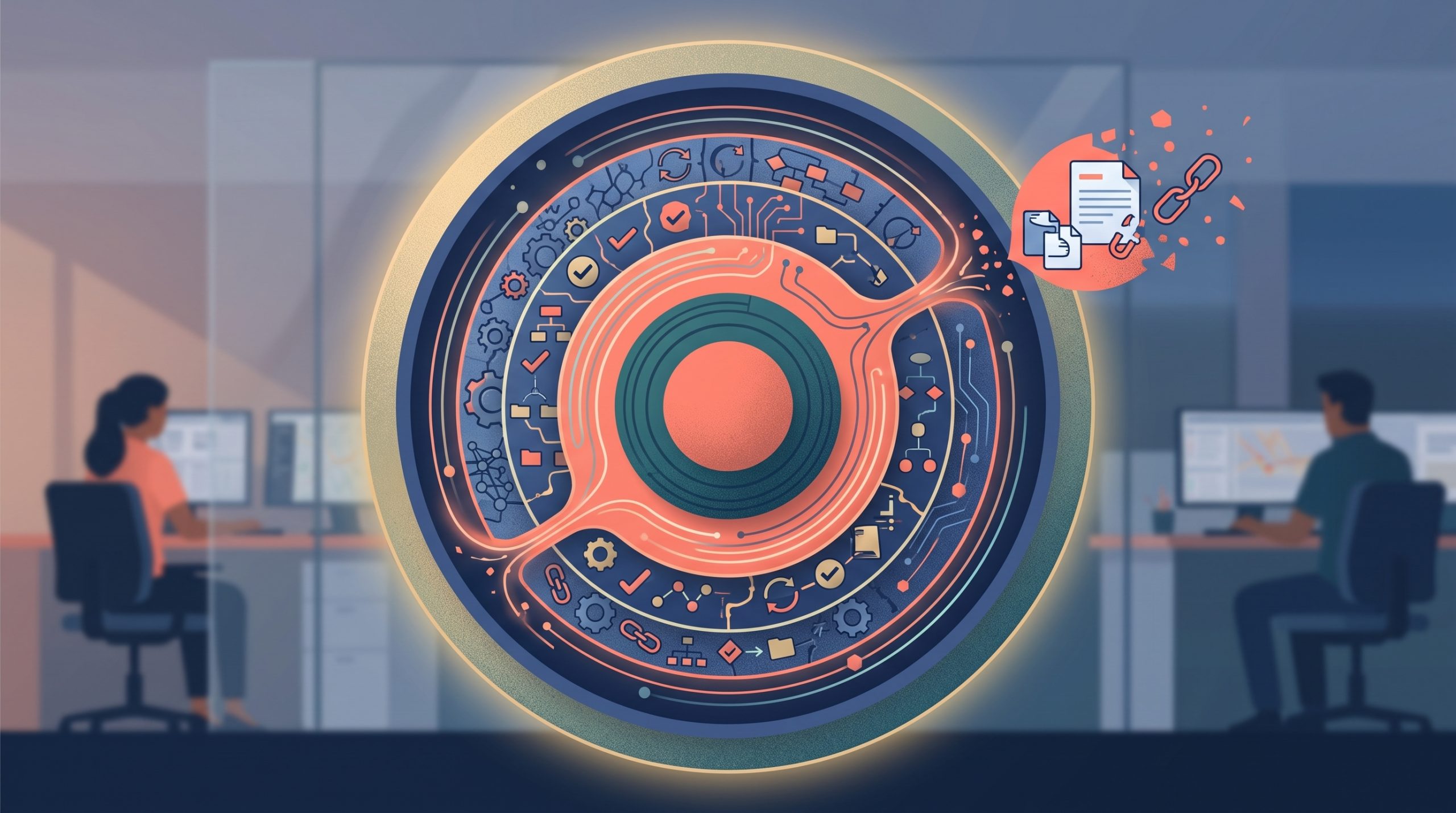
The Compounding Moat: How Operational Discipline Becomes a Brand Competitors Can’t Copy
Taglines get copied overnight. Clean operational data doesn’t. How operational discipline becomes an unassailable competitive moat for SMEs. ...
Read Article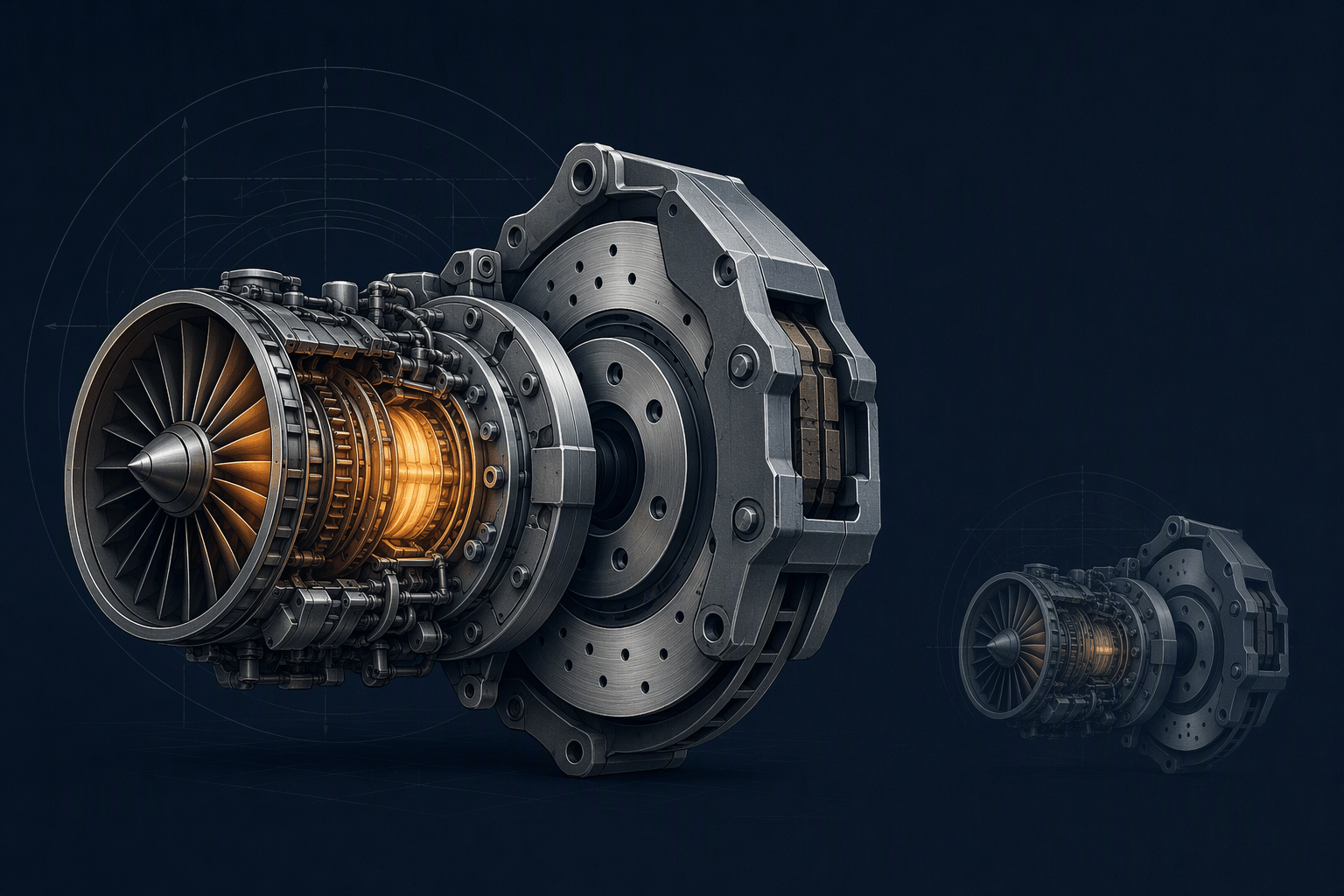
Engine and Brakes: What the Global AI Safety Debate Means for Your Business
A recurring metaphor in the global AI safety conversation, a powerful engine paired with good brakes, turns out to describe SME AI adoption just as we...
Read Article