What Does ‘AI-Ready’ Actually Mean for a Singapore SME?
IMDA and the Singapore Business Federation are holding the first SME AI Impact Awards on 13 October 2026, recognising SMEs that have gone beyond experimenting with AI to actually changing how they operate. That raises a question a lot of SME owners are quietly asking themselves: what does "AI-ready" actually mean, beyond the marketing slogan? Here’s a practical breakdown, not a buzzword definition.
The News Hook: IMDA’s First SME AI Impact Awards
The awards sit under Singapore’s National AI Impact Programme, which aims to support 10,000 enterprises over three years as part of the broader National AI Strategy. IMDA’s own reporting shows SME AI adoption roughly tripled in a single year, a sign that adoption is accelerating, but also that most SMEs are still relatively early in the process. The awards recognise two different kinds of readiness: businesses that built their own AI tools (Innovation Excellence), and businesses that implemented ready-to-use AI solutions well (Adoption Excellence). That distinction is itself a useful clue about what "AI-ready" really covers: it’s not about who built the cleverest tool, it’s about who actually changed how work gets done.
Why This Matters Beyond One Award Ceremony
It’s easy to read an awards announcement as a one-off PR moment and move on. The more useful way to read it is as a signal of where national policy attention, and by extension grant support, is heading over the next few years. Programmes tied to national strategies tend to keep expanding funding, training, and advisory support in the direction they’re already pointing. For an SME owner, the practical question isn’t "should I enter an awards programme," it’s "am I actually building the kind of AI-readiness that this whole ecosystem, funding schemes included, is starting to reward." Getting that foundation right now puts a business in a stronger position regardless of whether it ever applies for an award.
What "AI-Ready" Does NOT Mean
It’s worth clearing up a few misconceptions first. Being AI-ready does not mean:
- Having a ChatGPT subscription your team occasionally uses.
- Running a chatbot on your website.
- Having "AI" mentioned somewhere in your software’s marketing.
- Being a large enough business to afford a data science team.
None of these are wrong to have, but none of them are what separates a business that gets measurable results from AI from one that doesn’t.
The Four Things That Actually Make an SME AI-Ready
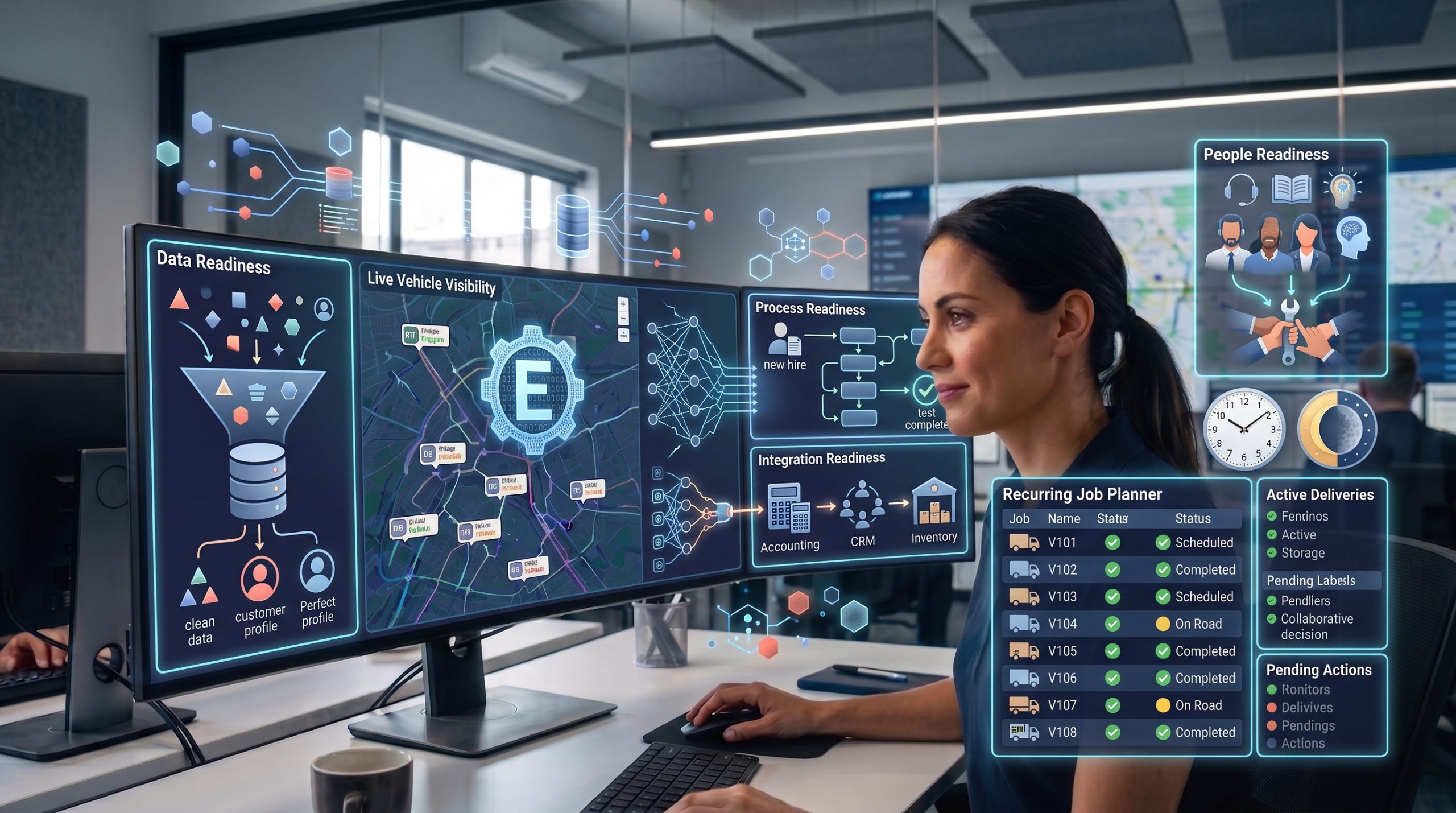
1. Data readiness
AI, however it’s applied, is only as useful as the data it can see. A business with clean, centralised records, even a well-run spreadsheet system, is closer to AI-ready than a business with scattered, inconsistent data across five different tools, regardless of how much AI software either one has bought. In practice this means one source of truth for customer records, consistent product or service naming, and a habit of entering data once rather than re-keying it into three different systems.
2. Process readiness
AI tends to amplify whatever process it’s applied to. If a workflow is unclear or inconsistent among staff, automating it usually just produces inconsistent results faster. Documented, repeatable processes are a prerequisite, not an afterthought. A useful test: could a new hire follow the process from a written document alone, without asking a colleague to explain the undocumented exceptions? If not, that process isn’t ready to be automated yet.
3. People readiness
Adoption depends on staff actually trusting and using the tool day to day, not just leadership approving a purchase. The SMEs that IMDA highlights as adoption leaders consistently mention training and change management alongside the technology itself. Budgeting time for staff to learn a tool properly, and involving the people who’ll actually use it in the buying decision, matters as much as the tool’s feature list.
4. Integration readiness
A tool that sits outside your core systems, your accounting, inventory, or CRM, tends to get abandoned within months because someone has to manually copy data in and out. AI capability that’s built into the systems your team already uses daily has a much higher chance of sticking. This is one reason AI features embedded directly inside an ERP tend to get more sustained use than a standalone AI app bought separately: there’s no extra login, no manual export and import step, and no second source of truth to keep in sync.
A Simple Maturity Ladder
If the four readiness areas above feel abstract, it can help to place your own business on a rough ladder:
- Not started: no centralised data, no documented processes, no one on staff actively using any AI tool.
- Experimenting: individual staff trying ChatGPT or similar tools informally, with no consistent process or oversight.
- Adopting: at least one AI feature embedded in a core system (accounting, CRM, inventory) that a defined group of staff uses as part of their actual job.
- AI-ready: clean centralised data, documented processes, trained staff, and AI capability integrated into daily systems rather than bolted on the side.
Most SMEs we talk to sit somewhere between "experimenting" and "adopting." That’s a normal, healthy place to be. The mistake is skipping straight to buying an advanced AI tool while still stuck at "not started" on data and process.
Common Ways SMEs Get This Wrong
- Buying the tool before fixing the data. An AI forecasting tool fed inconsistent sales records will produce confident-sounding but wrong forecasts.
- Treating AI as an IT project instead of a change management project. The technical setup is often the easy part; getting staff to actually change how they work is the hard part.
- Chasing the newest tool instead of finishing the current one. Half-implemented AI features across three different systems deliver less value than one feature fully adopted inside a core system.
A Simple Self-Check for SME Owners
Before evaluating any AI tool or vendor pitch, it’s worth honestly answering:
- Can I trust the data this tool would be working from today?
- Is the process it would automate already documented and consistent?
- Who on my team will actually use this daily, and have they been part of the decision?
- Does it plug into a system we already use, or does it become one more disconnected tool?
A business that can answer these honestly is in a far stronger position to benefit from AI than one chasing the newest tool on the market.
Frequently Asked Questions
When are the IMDA SME AI Impact Awards 2026 held?
The awards ceremony is on 13 October 2026, held alongside SMEs Go Digital Day at Suntec Convention Centre in Singapore.
What’s the difference between the two award categories?
The SME Innovation Excellence Award recognises SMEs that developed their own proprietary AI solutions, while the SME Adoption Excellence Award recognises SMEs that successfully implemented ready-to-use or off-the-shelf AI solutions.
Do I need a data science team to become AI-ready?
No. Most SMEs recognised for AI adoption use off-the-shelf or lightly customised tools. What matters more is clean data, documented processes, staff buy-in, and integration with existing systems.
What’s the single best first step toward becoming AI-ready?
Start with data and process readiness before buying any AI tool: clean up and centralise your core records, and document the workflow you’re hoping to improve. Most AI adoption failures trace back to skipping this step.
How long does it typically take an SME to become AI-ready?
There’s no fixed timeline since it depends on how much cleanup the underlying data and processes need, but most SMEs can move from "experimenting" to "adopting" within a few months if data and process readiness are tackled first, rather than treated as an afterthought.
More Articles
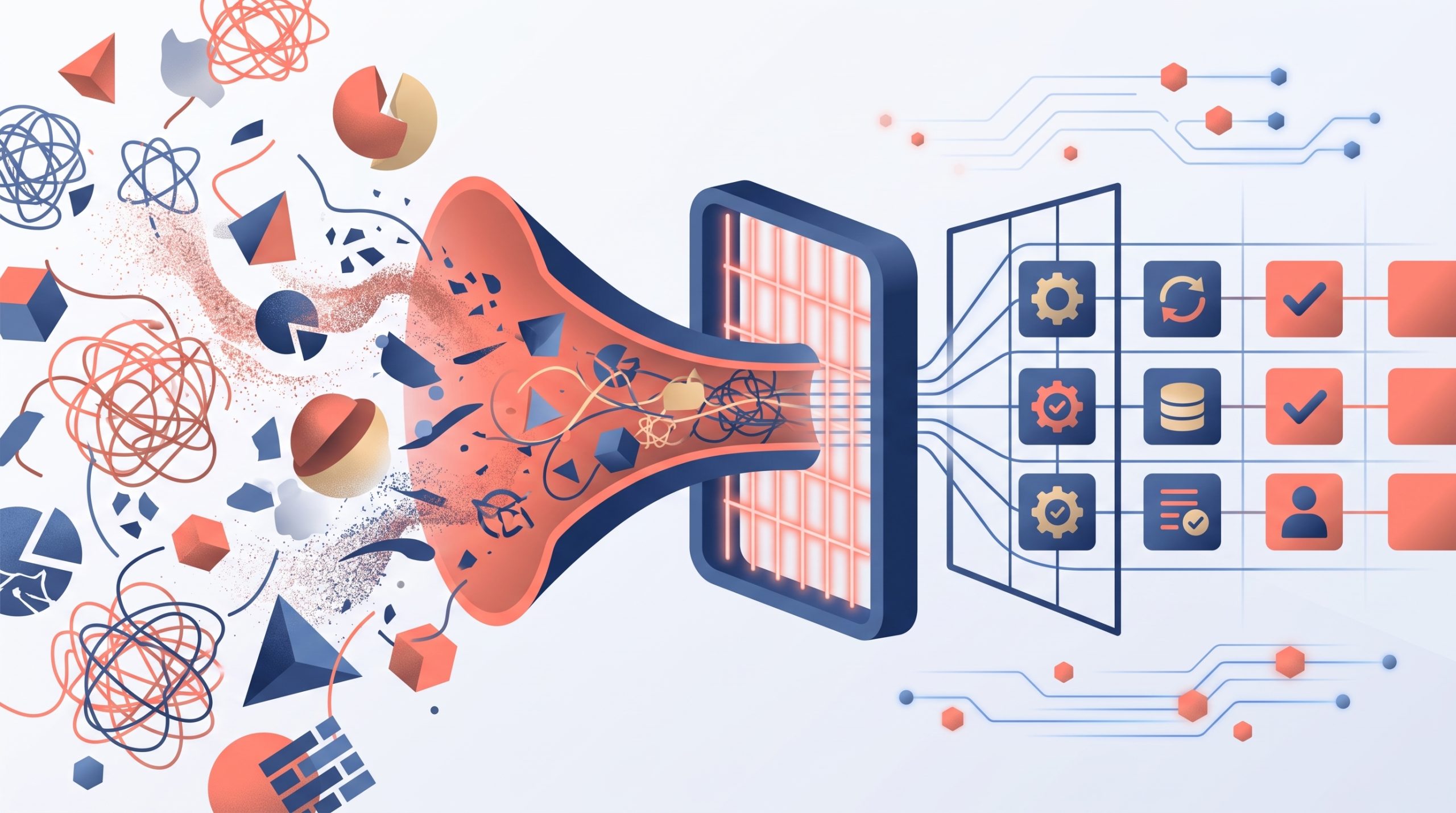
The Resource Master Audit: Why ERP Rollouts Fail at the Data Layer, Not the Software Layer
Most ERP go-lives don’t fail on features. They fail on messy master data. Here’s the Resource Master Audit that prevents it.
Read Article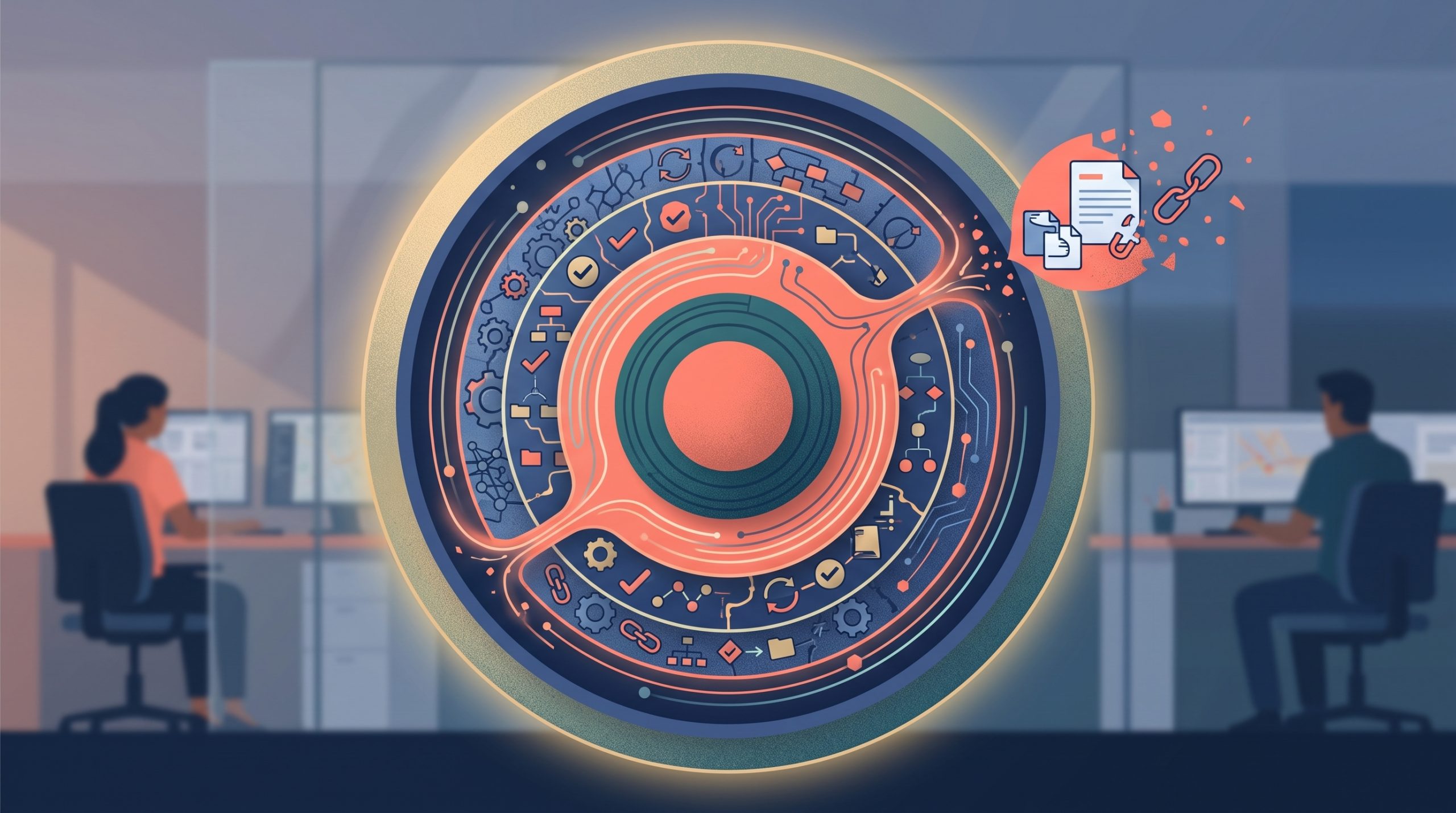
The Compounding Moat: How Operational Discipline Becomes a Brand Competitors Can’t Copy
Taglines get copied overnight. Clean operational data doesn’t. How operational discipline becomes an unassailable competitive moat for SMEs. ...
Read Article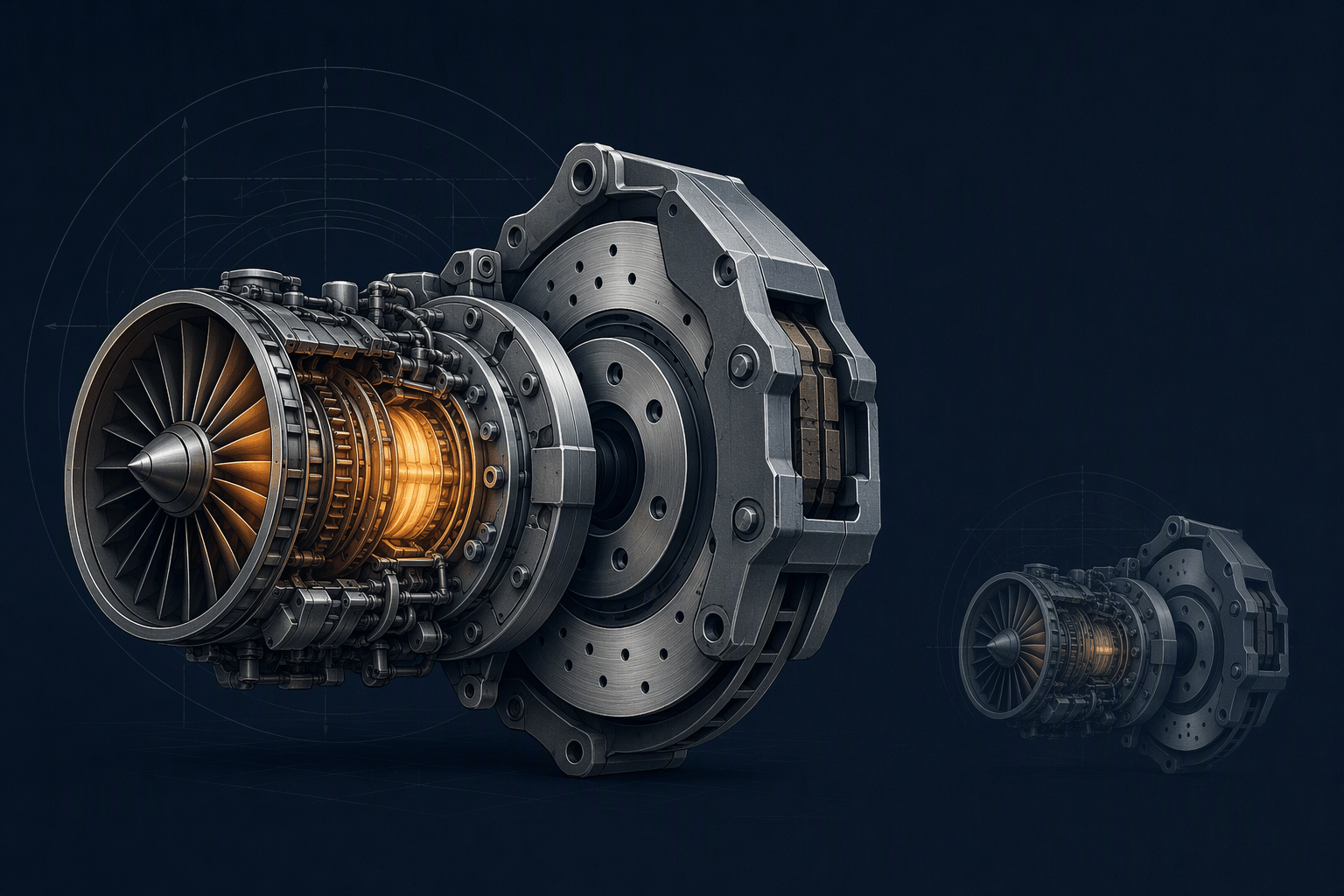
Engine and Brakes: What the Global AI Safety Debate Means for Your Business
A recurring metaphor in the global AI safety conversation, a powerful engine paired with good brakes, turns out to describe SME AI adoption just as we...
Read Article