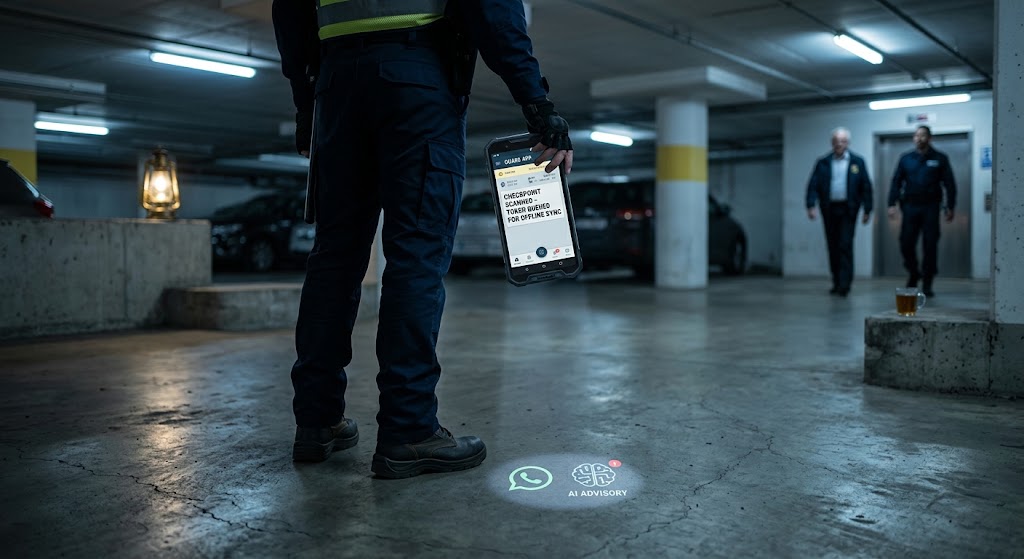
The Field Layer: Guard App, WhatsApp and AI Advisories
The field layer is where a security ERP either works or becomes an expensive database. Every control described elsewhere in this series depends on a guard doing something: clocking in at the post, scanning a checkpoint, filing an incident, confirming a shift. If the tool that asks them to do it is slow, requires a download, needs connectivity in a basement, or expects them to log into a portal at 03:00, then the data arrives late, incomplete, or reconstructed afterwards, and every downstream number inherits that.
This article covers three things that sit in that layer: the guard app and why its installation and offline behaviour matter more than its features, WhatsApp as the notification channel that actually gets read, and the analytics that turn accumulated operational data into something a supervisor acts on before a shift rather than reviews after it.
Why installation friction decides adoption
A security workforce has high turnover, mixed device ownership, mixed operating systems, and a meaningful proportion of officers with limited phone storage. Every one of those is a barrier to a conventional app-store download.
A progressive web app avoids most of it. The officer opens a link, adds it to their home screen, and it behaves like an installed app: full screen, its own icon, background sync, push notifications. There is no store account, no approval delay, no update to chase, and no meaningful storage cost. For a new officer starting on Monday, being operational on the tool takes minutes rather than requiring an IT interaction.
This sounds like an implementation detail and it is not. Deployment friction is the main reason field tools fail to reach full adoption, and partial adoption is worse than none, because it means the operations team runs two processes in parallel and trusts neither.
Offline is a design constraint, not a feature
Guards work in basement car parks, plant rooms, lift lobbies, loading bays and steel-framed warehouses. Connectivity in those places is unreliable in a way that is not fixable by the agency.
The correct architecture captures the action locally with its evidence, queues it, and syncs when a connection returns. A clock-in captures its timestamp and GPS fix immediately and holds them. A patrol scan holds its token and time. An incident report drafts fully offline including photos.
The distinction that matters, and it is worth pressing any vendor on, is between queuing a captured action and deferring the capture itself. Queuing preserves the evidence and delays only its transmission. Deferring means the evidence was never obtained, and an unverified record has entered the system wearing the same badge as a verified one.
Voice confirmation is a small addition with disproportionate value here. An officer wearing gloves, holding a torch, standing in poor light gets audible confirmation that a scan registered, which prevents the most common field failure: repeating an action because it was unclear whether the first attempt worked.
WhatsApp, because that is what gets read
The channel problem is straightforward. An email to a guard at 22:00 on a Saturday will be read on Monday. A push notification will be read if the app is installed and notifications are enabled. A WhatsApp message will be read within minutes, because that is the application already open on their phone.
Using it well means accepting that the interaction has to work inside the messaging paradigm rather than pushing the officer into an app. A shift assignment notification with the site, date, post and times, and a reply of a single keyword to confirm. Keyword handling for the small number of things that actually need to happen quickly: confirming a shift, reporting sickness so a replacement search can start immediately, requesting the upcoming shift list, checking compliance status, and raising an emergency alert to supervisors.
Two design cautions. Keyword replies still have to pass the same eligibility and business rules as any other path, or the messaging channel becomes the route by which non-compliant assignments happen. And the outbound volume needs rate limiting and templating, because a system that can broadcast to a pool of eligible officers can also accidentally message four hundred people.
The sick-leave keyword deserves specific mention because of what it does operationally. An officer who can report sickness in two taps at 05:00 reports it at 05:00. The same officer facing a phone call to a supervisor who may be asleep tends to wait, and the difference between a no-show reported at 05:00 and one discovered at 07:05 is the difference between finding a replacement and not covering the post.
Fatigue scoring as an operational control
Guard fatigue is usually discussed as a welfare matter, which is correct but incomplete. A tired officer on a night shift is also a security risk and a liability exposure, and fatigue is measurable from data the roster already holds.
A workable score combines four factors: consecutive working days, hours worked in the current week, number of night shifts in the recent period, and time elapsed since the last rest day. Weighted and normalised, these produce a daily score per officer, and banding that score into red, amber and green turns a continuous number into an actionable list.
The value is not the score itself but what it triggers. An officer crossing into the red band should generate a suggested swap or a coverage review before their next shift, not a note in a monthly report. This is the difference between measuring fatigue and managing it.
Two honest caveats about this kind of scoring. The weights are a judgement rather than a scientific constant, and an agency should expect to tune them against its own shift patterns rather than accept defaults. And the score is an indicator, not a diagnosis: an officer with a low score can still be exhausted for reasons outside the roster, so it should inform supervisor judgement rather than replace it.
The morning advisory, and why aggregation beats dashboards
Operations managers have access to more dashboards than they can read. The practical consequence is that they check two or three and the rest go unopened, which means the information in them is theoretically available and functionally absent.
A single prioritised advisory delivered at the start of the shift day solves the attention problem rather than the data problem. What belongs in it, in rough priority order: licences and certificates expiring within the week, unfilled shifts for today, incidents from the past 24 hours with the high-severity ones named, officers with unusual overtime accumulation, no-shows in the current week, and officers in the red fatigue band.
The design principle is that the advisory contains only things requiring a decision. A metric that is within tolerance does not belong in it. Once an advisory includes routine numbers alongside exceptions, it becomes a report, and reports get skimmed.
Natural language querying sits alongside this usefully for the questions that arise unpredictably. Asking which officers at a given site hold a current first aid certificate is faster typed as a question than assembled from filters, particularly for managers who use the system daily but not deeply.
How Moxogo implements it
Moxogo Security delivers the guard-facing tool as a progressive web app installing from a link with no app store, using a service worker and local storage queue with background sync so clock-ins, patrol scans and incident drafts capture offline with their evidence and sync when connectivity returns. Voice confirmation provides audible feedback on scans and clock-ins for field conditions.
WhatsApp integration handles shift notifications and inbound keyword replies covering shift confirmation, sick leave requests that create a leave record and trigger replacement search, shift list requests, compliance status checks, emergency alerts to all supervisors, and a help command, with rate-limited outbound messaging and the same eligibility rules applied to keyword-initiated actions as to any other path.
Fatigue scoring computes daily per officer from consecutive working days, weekly hours, night shift count and time since last rest day, with configurable weights, banded into red, amber and green, and red-band officers generate swap suggestions. A morning advisory compiles at the start of the day covering licence expiries within the week, today’s coverage gaps, incidents from the past 24 hours, overtime outliers, current-week no-shows and red-band fatigue cases, with natural language querying available for ad hoc questions. These are the module’s designed behaviours; the weights and thresholds are meant to be tuned to an agency’s own patterns during implementation rather than accepted as given.
A practical test
Ask three guards to show you the last incident they reported and how long it took. Then ask a supervisor how they found out about the most recent no-show, and how long after the shift start. Those two answers describe your field layer more accurately than any feature list, because they measure what the tools actually do under real conditions rather than what they are capable of.
Frequently Asked Questions
Why use a progressive web app instead of a native guard app? Because installation friction determines adoption in a workforce with high turnover, mixed devices and limited phone storage. A PWA installs from a link with no store account, no approval delay and negligible storage cost, so a new officer is operational in minutes.
What is the difference between offline queuing and deferred capture? Queuing captures the evidence such as timestamp and GPS fix immediately and delays only its transmission. Deferred capture means the evidence was never obtained, so an unverified record enters the system indistinguishable from a verified one. The first is correct architecture, the second is a hole.
Why route shift notifications through WhatsApp? Because it is read within minutes while email is read the next working day. The trade-off is that interactions must work inside the messaging paradigm using simple keyword replies, and those replies must still pass the same eligibility and business rules as any other path.
How is guard fatigue calculated from roster data? By combining consecutive working days, hours in the current week, recent night shift count and time since the last rest day into a weighted daily score, banded into red, amber and green. The weights are a judgement to be tuned against an agency’s own shift patterns rather than a fixed constant.
What should a morning operations advisory contain? Only items requiring a decision: licences expiring within the week, today’s unfilled shifts, incidents from the past 24 hours, overtime outliers, current-week no-shows and red-band fatigue cases. Adding routine in-tolerance metrics turns it into a report, and reports get skimmed rather than acted on.
Related in this series
- Overview: What Does a Security Agency in Singapore Actually Need From an ERP?
- constraint-based rostering
- geofenced attendance
- incident management
More Articles
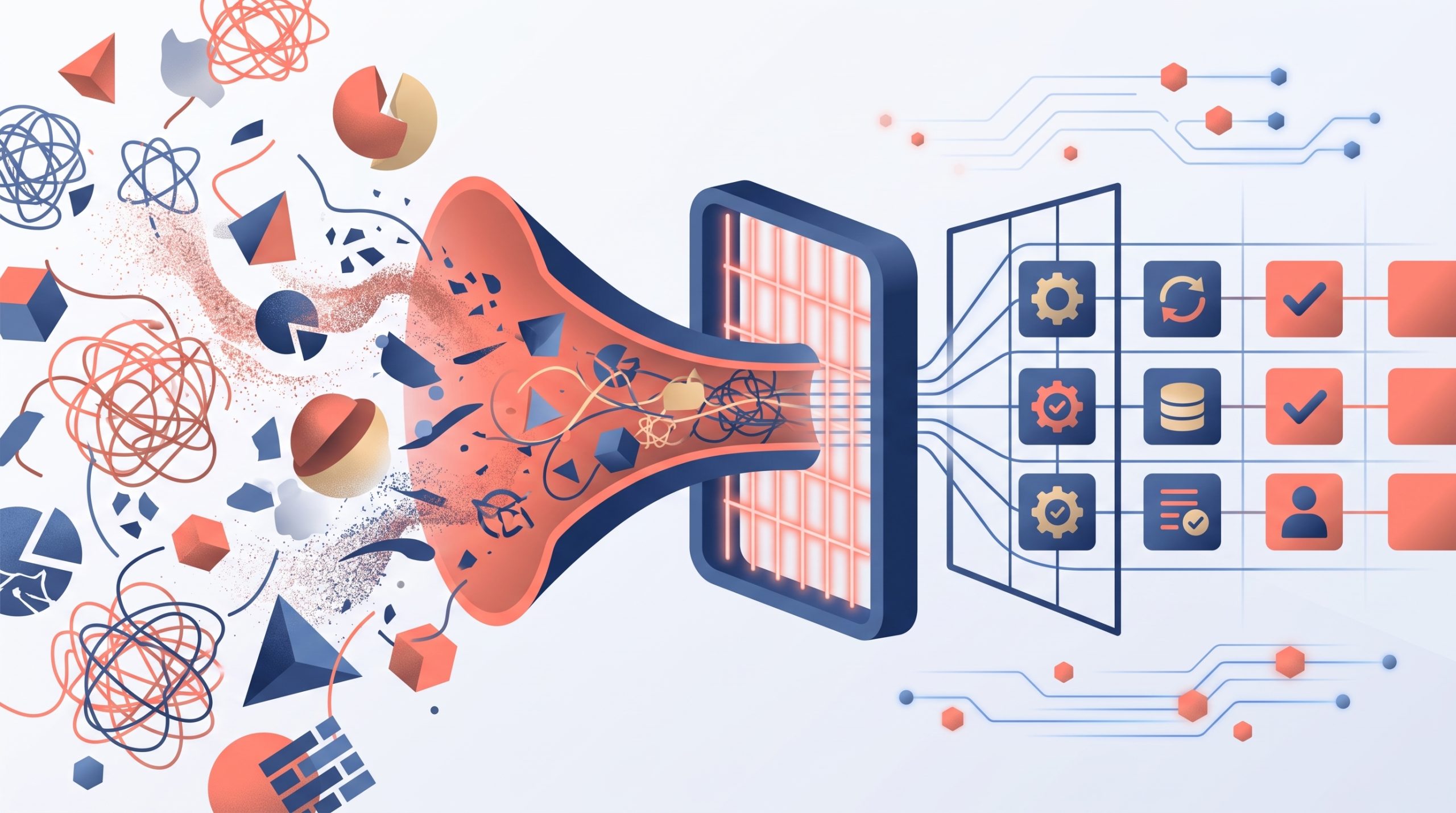
The Resource Master Audit: Why ERP Rollouts Fail at the Data Layer, Not the Software Layer
Most ERP go-lives don’t fail on features. They fail on messy master data. Here’s the Resource Master Audit that prevents it.
Read Article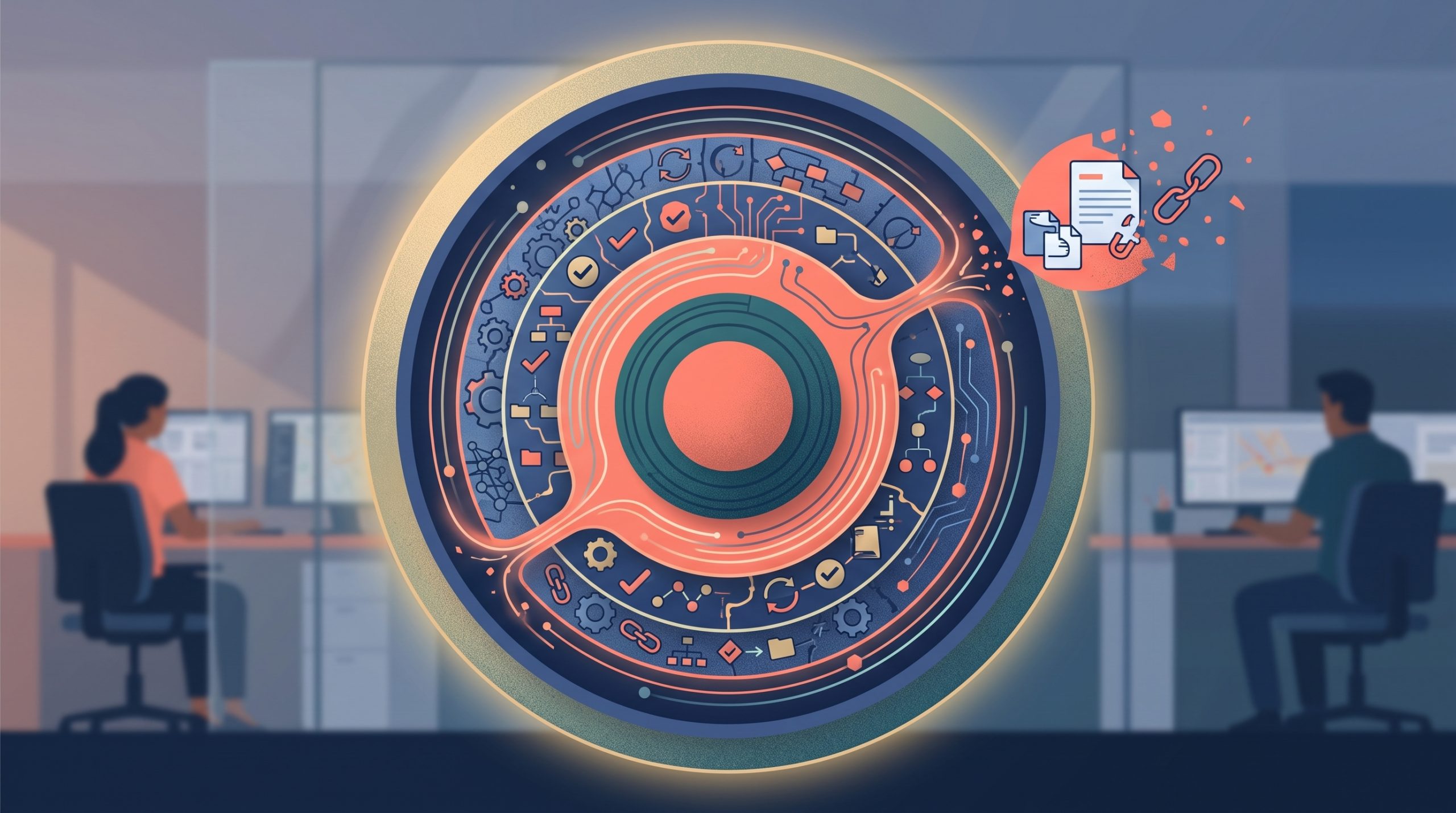
The Compounding Moat: How Operational Discipline Becomes a Brand Competitors Can’t Copy
Taglines get copied overnight. Clean operational data doesn’t. How operational discipline becomes an unassailable competitive moat for SMEs. ...
Read Article
Engine and Brakes: What the Global AI Safety Debate Means for Your Business
A recurring metaphor in the global AI safety conversation, a powerful engine paired with good brakes, turns out to describe SME AI adoption just as we...
Read Article