
Navigating the Challenges and Maximising the Benefits of ERP Implementation: A Certified Consultant’s Perspective
Enterprise Resource Planning (ERP) systems, such as the
proposed Moxogo ERP, promise
streamlined operations, boosted efficiency, and growth. However, successful
implementation is complex, often facing significant hurdles. This article combines insights from a certified consultant’s perspective, highlighting
common challenges and offering solutions to ensure successful ERP adoption.
The Challenges of Proposing and Implementing ERP Systems
Successfully navigating an ERP implementation requires
addressing several key challenges:
-
Mindset:
Resistance to Change & Lack of User Adoption -
- Description:
Humans are naturally resistant to change, especially when existing manual
workflows or legacy systems are deeply ingrained. This often leads to
reluctance to adopt new processes, even if they are more efficient.
Employees may perceive the ERP as a tool for micromanagement or an
unnecessary complication. A common scenario involves business owners
fixated on paper-based inventory tracking, worried about staff
adaptation. - Impact:
This can lead to resistance, missed deadlines, and a lack of data input
or incorrect data, ultimately rendering the ERP ineffective. This mindset
creates an emotional barrier, making it hard to even start a conversation
about new processes. - Solution:
Strong leadership and a change management strategy are crucial. This
includes clear communication of the ERP’s benefits, training, and
involving key stakeholders in the decision-making process to foster
ownership. Emphasize that the ERP simplifies complex processes and
improves overall business health.
- Description:
-
Needs:
Misunderstood Expectations & Lack of Customization -
- Description:
Businesses often have unique or complex requirements that off-the-shelf
ERP solutions may not fully address. Misalignment between expectations
and the ERP’s capabilities, particularly around customization, can lead
to frustration. A belief that a “one-size-fits-all” solution
exists for every business is a myth. - Impact:
If the ERP doesn’t perfectly align with specific workflows, it can create
workarounds, duplication of effort, and user frustration. Moxogo’s
customization potential may be overlooked. This can lead to
underutilization of the system, missed opportunities for improvement, or
even a complete rejection of the ERP solution. - Solution:
A thorough needs assessment is vital. This involves mapping current
processes, identifying pain points, and clearly defining future state
requirements. Opt for flexible ERPs like Moxogo that allow for
customization to address specific business needs. The goal is to leverage
the ERP to adapt to the business, rather than forcing the business to
adapt to the ERP.
- Description:
-
Budget:
The Cost Perception -
- Description:
ERP deployments carry a reputation for high costs, including licensing,
implementation, and ongoing support. For budget-conscious SMEs, the
upfront investment can seem daunting. There’s also the risk of hidden
costs emerging after the initial quote. - Impact:
A startup hesitant, assuming Moxogo ERP’s upfront investment will strain
their limited cash flow, might opt for a cheaper, less comprehensive
solution that creates more problems than it solves. Without a clear
return on investment, clients may dismiss the solution outright, missing
out on long-term savings. - Solution:
Transparent pricing and a clear ROI analysis are crucial. Emphasize the
long-term benefits and cost savings, such as reduced manual errors,
improved efficiency, and better decision-making. Highlighting the
competitive pricing of open-source solutions like Odoo, coupled with a
robust implementation strategy, can make it more palatable for
businesses.
- Description:
-
Knowledge:
The Expertise Gap -
- Description:
Decision-makers often lack the technical know-how to understand ERP
systems or their implementation process. This can lead to skepticism or
even a simple misunderstanding of how the system works. Clients might
assume, “My current QuickBooks works fine,” or might
misinterpret Moxogo ERP’s capabilities. - Impact:
Without a clear understanding, businesses may under-evaluate or
misunderstand the ERP’s potential, leading to inefficient use or failure
to reap full benefits. This can also result in unrealistic expectations
or a fear of the unknown. - Solution:
Provide clear, concise explanations of the ERP’s functionality and
benefits. Emphasize the role of a certified consultant as a guide and
educator throughout the process. Offer training and ongoing support to
build internal expertise within the client’s organization.
- Description:
-
When
Tools Aren’t Enough: The Human Factor -
- Description:
Even the most advanced ERP can’t resolve issues rooted in human behavior
or organizational culture. Moxogo ERP might fail not because of a
technical glitch, but due to internal resistance or a lack of user
buy-in. When implementations fail due to these human factors, the tool
often takes the blame. - Impact:
This leads to frustration, wasted resources, and a lack of adoption,
ultimately undermining the entire ERP initiative. When data sharing
doesn’t improve, leadership points to the system as the failure—not the
lack of teamwork. - Solution:
Focus on fostering a collaborative environment. Address human and
organizational challenges before, during, and after ERP deployment. A
certified consultant understands that a successful ERP implementation
hinges on addressing both technical and human elements.
- Description:
How a Certified Functional Consultant Makes a
Difference
A certified functional consultant plays a pivotal role in
ensuring successful ERP implementation. They are not just selling a product;
they are offering a partnership.
Here’s how they can overcome challenges and
deliver value:
-
Credibility
and Trust: -
- Advantage:
Certification validates your expertise, building trust with clients. It
signifies a deep understanding of the ERP’s capabilities and best
practices. - Impact:
This enables consultants to move beyond just selling a product to forging
a partnership. - Solution:
Leverage certified expertise to confidently advise clients, demonstrating
a holistic understanding of their business. This also helps in showcasing
cost-saving opportunities, with some studies indicating a 10-20% SME cost
reduction.
- Advantage:
-
Needs-Based
Selling: -
- Advantage:
Consultants dig into the client’s pain points and match them to Moxogo’s
modules (e.g., CRM for sales, inventory for stock management). This
approach ensures the proposed solution directly addresses the client’s
specific needs. - Impact:
By aligning the tool with their exact needs, you reduce uncertainty and
boost confidence in the system’s fit. - Solution:
Conduct thorough needs assessments and demonstrate how Moxogo’s modular
design can be tailored to fit specific business requirements, avoiding
the “one-size-fits-all” myth.
- Advantage:
-
Solution
Personalization: -
- Advantage:
Beyond simply identifying workflows, a consultant helps visualize their
operations in Moxogo ERP, leveraging its modular design for small and
scalable solutions. - Impact:
This ensures the proposed solution aligns perfectly, dispelling the
“one-size-fits-all” myth. - Solution:
Present how Moxogo’s flexibility allows for tailored solutions that adapt
to the client’s unique business processes, rather than forcing them into
a rigid system.
- Advantage:
-
Faster
Sales Cycle: -
- Advantage:
Experience streamlines discovery, scoping, and proposal stages. You
translate business requirements into concrete solutions quickly and
efficiently. - Impact:
A more efficient sales process keeps momentum high, reducing the risk of
client fatigue or indecision. - Solution:
Utilize your expertise to accelerate the sales process by clearly
demonstrating how Moxogo addresses their specific needs and delivers value.
- Advantage:
Advantages of Our Role (as a Consultant)
- Functional
Technical Bridge: We possess both business and technical
understanding, enabling effective communication and seamless integration
between client needs and ERP capabilities. This allows us to explain
complex solutions in understandable terms. - Compelling
Value Proposition: We articulate the tangible benefits and ROI of the
ERP implementation, making the solution more appealing to clients. - Empowered
Post-Sales Handoff: Our involvement ensures that the promised
solution is delivered, setting the stage for a smooth transition to the
implementation team and long-term success. - Client
Retention: Trust built during the sales process extends into
post-sales, fostering stronger relationships and ensuring long-term client
satisfaction. - New
Revenue Streams: Opportunities for ongoing consulting, training, and
support services create additional revenue for your business.
Conclusion: Balancing Tools and People
Proposing Moxogo ERP (or any ERP) is a journey fraught with
challenges: mindset barriers, unmet needs, budget concerns, and expertise gaps.
When implementations fail, it’s often due to human factors rather than
technical glitches. A certified consultant, however, addresses these challenges
head-on by building credibility, tailoring solutions, and simplifying complex
concepts. By embracing the human element and approaching ERP implementation
with empathy, expertise, and a focus on people, you can deliver not just a
system, but a transformative partnership.
What’s your take? Have you faced these challenges in
proposing ERP solutions? How do you bridge the gap between tools and the human
factor to ensure successful outcomes?
More Articles
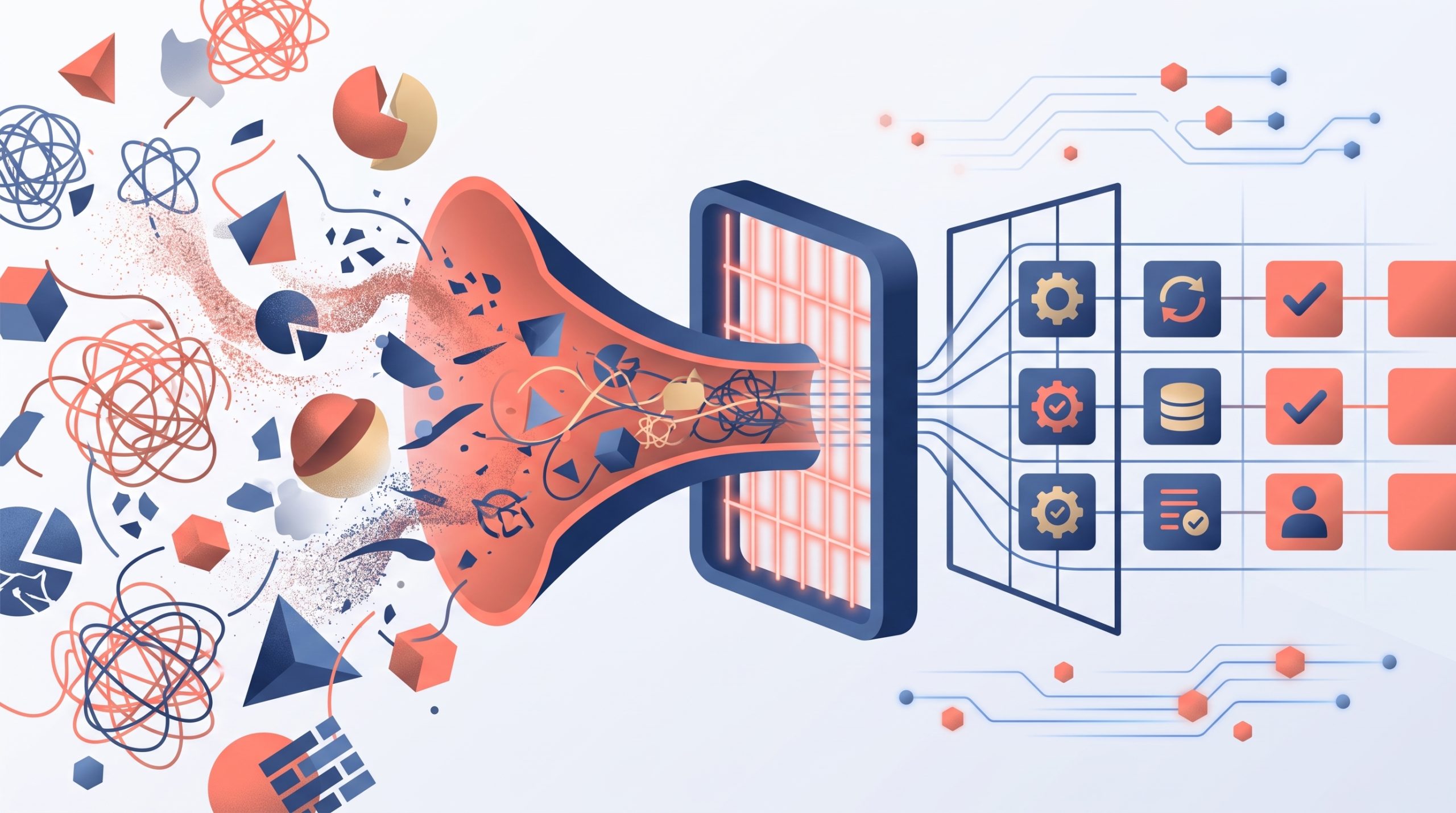
The Resource Master Audit: Why ERP Rollouts Fail at the Data Layer, Not the Software Layer
Most ERP go-lives don’t fail on features. They fail on messy master data. Here’s the Resource Master Audit that prevents it.
Read Article
The Compounding Moat: How Operational Discipline Becomes a Brand Competitors Can’t Copy
Taglines get copied overnight. Clean operational data doesn’t. How operational discipline becomes an unassailable competitive moat for SMEs. ...
Read Article
Engine and Brakes: What the Global AI Safety Debate Means for Your Business
A recurring metaphor in the global AI safety conversation, a powerful engine paired with good brakes, turns out to describe SME AI adoption just as we...
Read Article